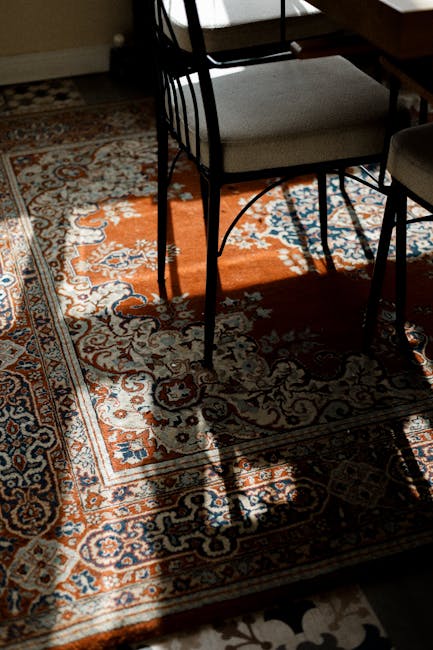
Avoid hidden charges for rug cleaning near Bayswater Station
If you are comparing rug cleaners near Bayswater Station, the headline price is only half the story. The real question is simple: what will you actually pay at the end of the job? Hidden charges can creep in through parking, stair access, pre-treatment, stain work, drying extras, minimum call-out fees, or vague wording that sounded harmless when you first booked. This guide shows you how to avoid hidden charges for rug cleaning near Bayswater Station, what to ask before you confirm, and how to judge a quote properly so you can book with confidence and keep the experience calm, not awkward.
Truth be told, most pricing problems happen before the cleaner even arrives. A rushed phone call, a too-quick online form, or an estimate that skips the details can leave you guessing. That is rarely a good sign. By the end of this article, you will know how rug cleaning pricing normally works, where surprise costs tend to appear, and how to spot a fair quote that is actually useful. If you are also comparing other home cleaning services, you may find it helpful to browse the wider pricing and quotes information alongside the company's rug cleaning service.
Table of Contents
- Why it matters
- How hidden charges happen
- Key benefits of clear pricing
- Who this is for
- Step-by-step guidance
- Expert tips
- Common mistakes
- Tools, resources and recommendations
- Law, compliance and best practice
- Options and comparison
- Case study
- Practical checklist
- Conclusion
- Frequently asked questions
Why Avoid hidden charges for rug cleaning near Bayswater Station Matters
Rug cleaning looks straightforward from the outside. A cleaner visits, inspects the rug, treats stains, washes or steam-cleans it, then returns it looking fresher. But pricing can become messy fast if the quote is not specific. One person expects a flat fee for a standard-sized rug; another assumes stain treatment is included; a third discovers that collection, return delivery, or a tricky stairwell costs extra. That is where disappointment starts.
Near Bayswater Station, this matters even more because local properties often bring a few practical complications. You may have period buildings with tight staircases, limited waiting space, parking constraints, or rugs that are large enough to need careful handling. None of that is unusual. It just needs to be discussed clearly before booking. A transparent quote should account for the real job, not just a tempting number on a page.
When pricing is clear, you can make a proper decision. You compare like with like. You understand what is included. And you are far less likely to get the slightly miserable feeling of paying more than you expected for something that should have been simple. Let's face it, nobody enjoys that awkward conversation on the doorstep.
Expert summary: The safest way to avoid hidden charges is to ask for a written, itemised quote that explains exactly what is included, what may be added, and what would trigger a price change.
How Avoid hidden charges for rug cleaning near Bayswater Station Works
In practice, avoiding hidden charges is about clarity at three points: before booking, during the visit, and when the final invoice is issued. If any of those stages feels vague, slow down.
1. Before booking
This is where most of the protection comes from. A proper rug cleaning quote should usually cover the rug size, material, level of soiling, access conditions, and whether the service is on-site cleaning or off-site cleaning. If the cleaner only gives a single rough number and refuses to explain it, that is not very reassuring.
You should also ask whether the price includes:
- inspection and assessment
- vacuuming or dry soil removal
- spot treatment for stains
- fringe or edge care
- pet odour treatment if needed
- pickup and return, if relevant
- drying advice or follow-up guidance
2. During the visit
A good technician should confirm the condition of the rug before work begins. This is normal. If they discover a deeper stain, colour bleed risk, heavy pet contamination, or fragile fibres, they should explain the options before adding anything to the bill. That does not mean the job is "wrong" if a price changes. It means the change should be explained first, not sprung on you afterwards.
3. At the invoice stage
The final invoice should match the agreed scope. If a cleaner charges more because the rug was heavier than expected or required extra stain work, that should tie back to something you approved. If it does not, ask for a breakdown. Clear paperwork helps a lot here, especially where there were special instructions or access issues.
One useful habit: keep the quote, booking confirmation, and any email or message thread together. It takes thirty seconds and can save a lot of faff later.
Key Benefits and Practical Advantages
Clear rug cleaning prices are not just about saving money, although that helps. They also improve the whole experience from start to finish.
- Better budgeting: you know the full cost before you commit, which helps if you are managing several household jobs at once.
- Less stress: no one likes wondering whether "extras" will appear at the door.
- More accurate comparison: one provider's higher quote may actually be better value if it includes pre-treatment, collection, or specialist stain removal.
- Fewer disputes: transparent pricing reduces those awkward "I thought this was included" conversations.
- Better outcomes: when a cleaner knows the rug type and access conditions in advance, they can bring the right kit and plan properly.
There is also a trust angle. A company that explains its pricing well is usually one that explains the rest of the job well too. That might sound small, but it is not. If they are careful with money conversations, they are often careful with your rug as well.
If you are comparing similar home cleaning work, it can help to look at related services like stain removal, upholstery cleaning, or steam carpet cleaning to understand how different services are scoped and priced.
Who This Is For and When It Makes Sense
This guide is useful if you are a homeowner, tenant, landlord, Airbnb host, or office manager looking after rugs near Bayswater Station. It is also helpful if you have an expensive handmade rug, a family rug that has seen too many cups of tea, or a rental property where a quick turnaround matters.
It makes particular sense if:
- your rug has stains, odours, or heavy foot traffic marks
- you have not cleaned it professionally before
- you are dealing with wool, silk, viscose, or another delicate fibre
- the rug is large, awkward, or needs moving through narrow stairs
- you are comparing several providers and the quotes do not look consistent
- you want written confirmation before anyone starts work
It also makes sense if you simply dislike surprises. Fair enough. Most people do.
There is a subtle point here: a cheap quote is not always a bad quote, and a more expensive quote is not always overcharging. The key is whether the price is explained. A cleaner who is upfront about access, fibres, stain types, and drying time is usually giving you a better basis for decision-making than someone who keeps everything fuzzy until the end.
Step-by-Step Guidance
Use this process if you want to avoid hidden charges without making the booking process complicated.
- Describe the rug properly. Give the size, material if known, age, and whether it is synthetic, wool, or handmade. If you do not know the material, say so.
- Explain the location and access. Mention stairs, parking, lift access, tight hallways, or whether the rug needs collection.
- List the issues honestly. Stains, pet odour, spill history, moth damage, fringing, or colour sensitivity all matter.
- Ask what is included. Pre-treatment, deodorising, fringe care, pickup, delivery, and drying guidance should be clear.
- Request the extras in writing. If there are likely add-ons, ask for the trigger conditions and the price range.
- Check the payment terms. Confirm deposit requirements, cancellation terms, and when the balance is due. The company's payment and security information is worth reviewing if you want to understand how payments are handled.
- Ask for confirmation before any change. No surprise add-ons. If the cleaner sees an issue on arrival, they should tell you before proceeding.
- Keep the paperwork. Save the quote, booking notes, and invoice so there is no confusion later.
If you are the sort of person who likes a tidy process, this is the bit that helps. It sounds obvious, but a ten-minute conversation can prevent a lot of unnecessary expense.
Expert Tips for Better Results
Here are the details experienced customers tend to notice, especially after one or two service bookings that did not go quite to plan.
Ask about the cleaning method, not just the price
Rugs are not all treated the same. Some are suitable for steam cleaning, some need specialist spot work, and some should be handled more gently. If a quote does not mention method at all, that is a small warning sign. It may mean the cleaner is pricing blindly. Not ideal.
Get clarity on stain categories
Some businesses price minor marks differently from deep-set stains, dye transfer, or pet damage. That is normal. What matters is the definition. Ask them what they call a standard stain and what would count as specialist treatment. The answer should be plain English, not a blur of sales talk.
Be careful with "from" prices
A "from GBPX" price is not inherently bad. It becomes a problem only when the lower figure is presented like a finished cost. If a company uses teaser pricing, ask what the common additions are. You want the likely real total, not the smallest possible number.
Clarify access charges early
In London, access can be the quiet troublemaker. If a rug has to be carried upstairs or there is no easy parking nearby, say so early. That does not mean you will be charged extra, but you should know whether access changes the quote.
Ask how delicate rugs are protected
Rug fibres, dyes, and backing materials vary. If the cleaner has a careful process for testing colourfastness or protecting fringe detail, that is a good sign. These things are often less about the dramatic before-and-after and more about not causing avoidable damage. Simple, but important.
For naturally delicate items, it can also be useful to compare the approach used for curtain cleaning or mattress cleaning, because those services often show whether a provider understands fabric care, drying, and aftercare.
Common Mistakes to Avoid
Most hidden charges are not mysterious. They are the result of small mistakes made early on.
- Booking on price alone: the cheapest quote can become the most expensive once extras appear.
- Assuming stain treatment is included: some cleaners include light pre-treatment, others do not.
- Ignoring access details: stairs, parking, or carrying distance can affect the final cost.
- Not checking the rug type: a handmade or fragile rug may need a different method from a synthetic hallway rug.
- Accepting verbal promises only: if it matters, ask for it in writing.
- Forgetting about collection and return: off-site rug cleaning often comes with logistics that should be clear from the start.
- Waiting until the end to raise concerns: it is much easier to resolve price questions before cleaning starts.
One more thing. Don't be embarrassed to ask "What would make the price change?" That is a very normal question. Actually, it is one of the best questions you can ask. If a cleaner hesitates, you have learned something useful right there.
Tools, Resources and Recommendations
You do not need specialist equipment to protect yourself from hidden charges. A few simple tools and habits are enough.
- A photo set of the rug: take pictures in daylight, including close-ups of stains, fringes, and edges.
- Basic measurements: length and width help avoid guesswork.
- A short notes list: jot down fibre type if known, access issues, and problem areas.
- Saved messages or emails: keep the quote in one place.
- Payment confirmation: record deposits or card payment details.
It also helps to use the company information pages sensibly. The terms and conditions should tell you how bookings, cancellations, and service boundaries work. If you care about how a company handles complaints, that is where the complaints procedure can be reassuring. For general trust signals, the about us page and insurance and safety information are both worth a quick read.
If you want a broader understanding of what is available, the company's home cleaning range also includes sofa cleaning and carpet cleaning, which can help you compare how different services are described and scoped.
Law, Compliance, Standards, or Best Practice
For most customers, the key compliance point is not a complicated legal rule. It is basic consumer fairness: you should know what you are paying for, what is included, and under what circumstances the price may change. In the UK, best practice is to provide clear pricing information, avoid misleading claims, and explain any material exclusions or surcharges before work starts.
That matters because cleaning is a service, not a fixed product on a shelf. Rug condition, access, fibre type, stain severity, and drying requirements can all affect the work involved. So yes, variation is normal. But variation should be explained. Hidden charges are avoidable when businesses communicate clearly and customers ask the right questions.
From a practical standpoint, good providers usually follow a few standards of behaviour:
- they give realistic quotes rather than vague bait pricing
- they explain exclusions before confirming the booking
- they confirm changes before charging extra
- they treat your home or property respectfully
- they keep records of the agreed scope
If a cleaner mentions policies around privacy, safety, or recycling, that can also tell you something about how organised the business is. Those details are not directly about price, but they often reflect the overall level of professionalism. For instance, sustainability-minded cleaning is sometimes discussed on a provider's recycling and sustainability page, while privacy practices are covered in the privacy policy. Not glamorous reading, granted, but useful.
Options, Methods, or Comparison Table
The way you clean a rug can affect the final price, the drying time, and the risk of extras. Here is a simple comparison to help you think it through.
| Option | Typical use | Pricing clarity | Hidden charge risk |
|---|---|---|---|
| On-site rug cleaning | Suitable for rugs that can be cleaned where they lie or in a room | Usually straightforward if access is clear | Medium if stain work or difficult access is not discussed |
| Off-site rug cleaning | Useful for deeper cleaning, drying control, or more delicate rugs | Can be clear, but transport and return should be itemised | Higher if collection, delivery, or storage is not explained |
| Steam-based cleaning | Common for many modern rug types with suitable fibres | Often easy to quote, but not for every rug | Medium if pre-treatment or drying is extra |
| Specialist stain treatment | For wine, coffee, pet accidents, or old marks | Should be quoted separately if the stain is stubborn | High if "stain removal" is used loosely |
As a rule, the more specialist the rug or the stain, the more important it is to ask for a detailed breakdown. A simple hallway rug with light soil is one thing. A handwoven rug with a red wine mark at one corner? Different story entirely.
Case Study or Real-World Example
Here is a realistic example based on the kind of booking people often make near Bayswater Station.
A customer needs a medium-sized living room rug cleaned after several months of foot traffic, a coffee spill, and some faint pet odour. They call three providers. The first gives a very low quote over the phone, but does not ask about fibre type, access, or stain history. The second asks for a photo, measurements, and whether the rug needs moving from a third-floor flat. The third sends a written estimate that lists cleaning, light stain treatment, and collection separately.
The second and third quotes are slightly higher than the first. Annoying at first glance, maybe. But they are also the quotes least likely to grow unexpectedly later. The customer chooses the cleaner who asked the most specific questions, because those questions showed the company had actually thought about the job.
On the day, the cleaner confirms that one mark needs a stronger pre-treatment than expected, explains the extra before doing it, and records it on the invoice. No drama. No argument. Just a proper service. That is the ideal, honestly.
The useful lesson here is not that the cheapest option is bad, or that every addition is suspicious. It is that the safest service is the one with the clearest explanation.
Practical Checklist
Use this quick checklist before you book:
- Have I sent photos of the rug?
- Have I given exact dimensions or at least a rough size?
- Have I explained access, stairs, and parking?
- Do I know whether the price includes stain treatment?
- Have I asked whether collection and return are extra?
- Have I checked how delicate fibres are handled?
- Do I have the quote in writing?
- Do I know what could trigger a price change?
- Have I read the relevant booking terms?
- Do I know who to contact if something is not right?
Practical summary: if a rug cleaning quote is clear, itemised, and confirmed in writing, you are already most of the way to avoiding hidden charges. The rest is just keeping an eye on the details and speaking up early if anything changes.
Conclusion
Avoiding hidden charges for rug cleaning near Bayswater Station is not about being suspicious of every provider. It is about asking sensible questions, getting clear answers, and choosing the quote that feels properly thought through. The best service is rarely the one with the flashiest headline price. It is the one that tells you exactly what is included, exactly what might cost more, and exactly how the job will be handled.
If you remember only one thing, make it this: the cleaner who explains the price well usually explains the work well too. That is a good sign. A very good sign, in fact. And when your rug comes back looking cleaner, fresher, and far less tired than before, the whole process feels worth it.
Get a free quote today and see how much you can save.
Frequently Asked Questions
What are hidden charges in rug cleaning?
Hidden charges are extra fees that were not made clear when you received the original quote. They can include stain treatment, collection and return, access issues, minimum call-out fees, or add-ons that were not explained properly.
How do I know if a rug cleaning quote is fair?
A fair quote should explain the rug size, cleaning method, stain treatment, access conditions, and any possible extras. If the price is clear and the scope is specific, that is usually a much better sign than a vague low number.
Should rug cleaning include stain removal?
Not always. Some cleaners include light spot treatment, while deeper or older stains may cost extra. Always ask whether stain work is included and, if not, what would trigger an added fee.
Why do some rug cleaners charge more near Bayswater Station?
Local access can affect the job. Stairs, parking, tight hallways, and collection logistics can all add complexity. That does not automatically mean a higher price is unfair; it just needs to be explained before booking.
Is collection and return usually included?
Sometimes yes, sometimes no. Off-site rug cleaning often involves transport, drying, and return, and those parts should be clearly confirmed. If collection is important to you, ask for it in writing.
What should I ask before booking rug cleaning?
Ask what is included, whether stain treatment costs extra, how access affects the price, what method will be used, and whether there are any cancellation or minimum-charge rules. A few careful questions can save a lot of hassle.
Are cheaper rug cleaning prices always risky?
Not necessarily. A lower price can be perfectly fine if the scope is clear. The problem is when a cheap quote leaves out important details and then grows later. That is the bit to watch.
Do delicate rugs need a different quote?
Often, yes. Wool, silk, viscose, antique, or handmade rugs may need extra care, testing, or specialist handling. If the rug is delicate, make sure the cleaner knows that before giving a price.
How can I avoid surprise fees on the day?
Send photos, describe stains honestly, mention access problems early, and ask the cleaner to confirm any extra charges before proceeding. Written confirmation is your best friend here.
What if the cleaner changes the price after arriving?
Ask for a clear explanation and compare it with the original quote. If the change is because of something you had not known or mentioned, that may be reasonable. If it was already discussed, question it politely and keep records.
Does a written quote really matter?
Yes. A written quote gives both sides a shared reference point. It makes the service easier to understand, and it gives you something to check if the final bill looks different from what you expected.
Can I bundle rug cleaning with other services to save money?
Sometimes. If you are also cleaning carpets, upholstery, or a sofa, bundling services may improve value. Just make sure each item is described clearly so the savings are real, not just guessed.
Where can I find more information about booking and payment?
It is wise to review the company's pricing and quotes, payment and security, and terms and conditions pages before you confirm a booking.
A little care at the start makes the whole process smoother, and to be fair, that is what most people want from a home service anyway: less guesswork, more peace of mind.