Upholstery Cleaning in Your Home: A Practical, Professional Approach to Fresher Furniture
Why Upholstery Cleaning Matters for Comfort, Health, and Appearance
Upholstery cleaning is one of the most overlooked parts of home care, yet it has a direct impact on how your living space looks, feels, and even smells. Sofas, armchairs, dining chairs, ottomans, and other fabric-covered furniture collect dust, skin oils, pet hair, allergens, and everyday spills. Over time, those materials settle deep into the fibers, making regular vacuuming alone insufficient. That is why professional upholstery cleaning and consistent at-home maintenance are so important for preserving both beauty and hygiene.
People often focus on floors, countertops, and windows, but furniture is used every day and tends to absorb more than it shows. If you have children, pets, or frequent guests, your upholstered pieces are likely experiencing heavy use. Fabric fibers naturally trap particles, and without routine care, those particles can contribute to odors, discoloration, and a dull appearance. Upholstery cleaning helps restore vibrancy, remove embedded debris, and extend the life of your furniture.
Just as important, clean upholstery can support better indoor air quality. Dust mites, pollen, pet dander, and microscopic allergens can settle into cushions and seams. When someone sits down, those particles may be released back into the air. For households with allergy concerns, asthma, or sensitivity to odors, regular upholstery cleaning can make a noticeable difference in day-to-day comfort.
Understanding Upholstery Materials and Why Fabric Type Matters
Not all furniture fabrics respond the same way to cleaning. Upholstery cleaning must be tailored to the material, the construction of the piece, and the type of soil or stain involved. Cotton, linen, microfiber, wool blends, velvet, leather, faux leather, and synthetic fabrics each have unique characteristics. Some are highly absorbent, while others resist moisture but can still trap dust and oils on the surface.
Before any cleaning process begins, it is essential to identify the fabric care code if available. These codes are often found on the furniture tag and usually indicate whether the fabric can be cleaned with water, solvent-based products, or only vacuuming. Choosing the wrong cleaning method may lead to shrinkage, color bleeding, water marks, or permanent texture changes. This is why proper upholstery fabric identification is a key step in the process.
For example, delicate fabrics like silk blends or certain velvets may require low-moisture or specialized treatment, while synthetic materials such as polyester often tolerate a wider range of cleaning solutions. Leather, although technically not fabric, is frequently included in upholstery care and requires conditioning in addition to cleaning. Understanding the material helps ensure the process is safe, effective, and long-lasting.
Common Signs Your Furniture Needs Attention

Furniture does not always look dirty at first glance, but there are several signs that indicate it is time for upholstery cleaning. One of the most obvious is visible staining from beverages, food, makeup, body oils, or pet accidents. Even when stains are light, they can become more difficult to remove if ignored for too long. A second sign is discoloration in high-contact areas such as armrests, seat cushions, and headrests.
Odors are another strong indicator. Fabrics can hold onto cooking smells, smoke, sweat, and pet-related odors, especially in homes with limited ventilation. If your sofa smells stale or has a lingering musty scent, deep cleaning may be needed. You may also notice dust clouds when sitting down or change in fabric texture, such as roughness or stiffness, which often points to embedded soil.
For many households, a seasonal upholstery cleaning schedule works well, but high-traffic homes may benefit from more frequent attention. As a simple rule, if the furniture no longer looks fresh after vacuuming or if the odor returns soon after airing out the room, it is time to clean deeper. Regular upholstery maintenance helps prevent buildup before it becomes difficult to manage.
Benefits of Professional Upholstery Cleaning Services

While routine vacuuming and spot treatment can help, professional upholstery cleaning offers a deeper level of restoration. Trained technicians use specialized tools, fabric-safe solutions, and targeted techniques to remove dirt from below the surface. This is especially valuable for large furniture pieces that are hard to clean thoroughly at home. Professional care can lift grime from cushions, seams, piping, and hidden creases that are often missed during DIY cleaning.
Another major benefit is stain removal. Many stains require more than soap and water, particularly if they have set into the fibers. A professional upholstery cleaning process can address coffee, wine, ink, grease, pet accidents, and food spills with methods that are matched to the stain type and the fabric. This improves the chances of successful removal without damaging the material.
In addition to appearance, professional cleaning can improve furniture longevity. Dirt particles act like abrasives and slowly wear down fibers every time someone sits down or adjusts a cushion. By removing those particles, upholstery cleaning helps reduce friction and preserve the structure of the fabric. That means your furniture not only looks better, but it may also last longer and remain more comfortable over time.
DIY Upholstery Cleaning: What You Can Do at Home
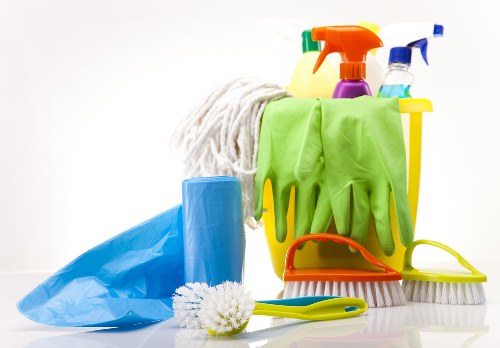
Homeowners can take several effective steps to maintain furniture between professional visits. The first and most important is routine vacuuming. Using a brush attachment or upholstery tool, vacuum all surfaces, including cushions, seams, under cushions, and the back of the furniture. This removes loose debris before it settles deeper. Consistent vacuuming is one of the simplest ways to support upholstery cleaning results.
Spot cleaning is also useful when done correctly. The key is to act quickly and blot, rather than rub, any spill. Rubbing can push the stain deeper or spread it across a wider area. Use a fabric-safe cleaner or a mild solution recommended for the specific material, then test it on a hidden section before applying it broadly. Always work from the outside of the stain inward to avoid creating a larger mark.
For odor control, a light sprinkle of baking soda may help absorb smells on durable fabrics, though it should be vacuumed thoroughly afterward. Be cautious with any DIY method that introduces too much moisture, since excess water can cause mildew, warping, or water rings. Safe home upholstery care depends on moderation, testing, and patience.
Steps Involved in a Professional Upholstery Cleaning Process
A quality upholstery cleaning service typically follows a clear process to ensure results are both safe and effective. The first step is inspection. The technician examines the fabric type, condition, stains, and areas of heavy wear. This assessment helps determine the best cleaning method and any special precautions needed for delicate materials or antique furniture.
Next comes pre-treatment. This may involve applying a fabric-safe solution to loosen dirt and break down stains. High-contact areas often receive extra attention because they usually hold the most oils and grime. If the furniture has pet hair or loose debris, vacuuming or dry extraction may take place before the main cleaning stage. This preparation is an important part of thorough upholstery cleaning services.
The main cleaning method may include hot water extraction, low-moisture cleaning, foam cleaning, or dry cleaning, depending on the fabric. After cleaning, the fabric is carefully extracted or wiped to remove residue and minimize drying time. In some cases, a fabric protector may be applied to help resist future spills and staining. Finally, the piece is left to dry under proper airflow so that it can be used again as soon as safely possible.
How Often Should Upholstery Be Cleaned?
Factors That Influence the Right Schedule
The ideal upholstery cleaning schedule depends on how the furniture is used and what it is exposed to daily. A lightly used guest room chair may only need professional cleaning once a year, while a family sofa in a busy living room may need attention every six to nine months. Homes with pets, children, or smokers may require more frequent cleaning to manage dirt and odors effectively.
Traffic level is one of the biggest factors. The more people who use the furniture, the more quickly dirt accumulates. Material type also matters, since some fabrics show soil more easily and others trap particles more deeply. Environmental factors such as pollen, humidity, and dust levels can also influence how often upholstery cleaning should happen. Regular maintenance tailored to lifestyle is usually the most effective approach.
Instead of waiting until the fabric appears visibly dirty, consider scheduling cleaning based on use. Preventive care is often easier and more affordable than trying to reverse heavy buildup later. A steady routine helps maintain a cleaner appearance and reduces the chance of permanent staining.
Stain Removal Tips for Common Upholstery Problems
Coffee, Wine, Grease, and Pet Accidents
Different stains require different approaches, and understanding the source of the mark can improve your results. Coffee and tea stains should be blotted promptly and treated with a mild cleaner or fabric-safe solution. Red wine often needs immediate blotting and careful treatment to prevent the pigment from settling into the fibers. For greasy stains, a small amount of absorbent powder may help lift excess oil before deeper cleaning begins.
Pet accidents should be handled as quickly as possible to prevent odor and bacterial buildup. First, remove excess moisture using a clean cloth or paper towel. Then treat the area with a fabric-appropriate cleaner designed to break down organic residue. If the stain has soaked into the cushion, professional upholstery cleaning may be the best option because surface treatment alone might not reach the source of the odor.
Ink and dye stains can be especially challenging. These often require specialized products and precise technique, since aggressive scrubbing may worsen the mark. When in doubt, it is safer to stop and consult a professional rather than risk damaging the fabric. Effective stain removal depends on fast action, correct products, and careful handling.
Why Upholstery Cleaning Supports a Healthier Home
Clean furniture contributes to a cleaner household overall. Upholstery can act like a filter, capturing dust, pollen, pet dander, and everyday particles that circulate through the room. While that may sound helpful at first, the buildup eventually becomes part of the air quality problem if the debris is not removed. Upholstery cleaning helps reduce the amount of material that can be disturbed and inhaled over time.
This matters especially in homes with allergy sufferers or young children. Since sofas and chairs are used for resting, reading, eating, and relaxing, they often become regular contact points for skin and respiratory exposure. A clean surface supports a cleaner environment, and that can be meaningful for overall comfort. Better indoor freshness often begins with the fabric surfaces people touch every day.
There is also a psychological benefit to cleaner furniture. Fresh upholstery can make a room feel more inviting, organized, and cared for. Many people notice that after upholstery cleaning, the entire room seems brighter and more pleasant. That feeling of comfort is one reason many households make fabric care part of their regular home maintenance plan.
Choosing the Right Cleaning Method for Your Furniture
There is no single method that works best for every piece of furniture, which is why upholstery cleaning should be matched to the item. Hot water extraction can be effective on many synthetic fabrics when moisture levels are controlled carefully. Low-moisture cleaning is often a good choice when you want faster drying or when the fabric is less tolerant of water. Dry cleaning methods can be useful for delicate materials that require minimal moisture.
Steam cleaning is sometimes mentioned in relation to upholstery, but it is not always the right option. High heat and excess moisture can damage certain fabrics or cause shrinkage and color loss. The safest route is to follow the fabric label and use a technique designed for that specific material. If the upholstery has a care code of “S,” for example, a solvent-based method may be more appropriate than water extraction.
The best results come from matching the method to the fabric, soil level, and stain type. That is why professional assessment is so valuable. Customized upholstery cleaning reduces risk and improves the chance of a successful outcome.
Maintenance Tips to Keep Upholstery Looking Cleaner for Longer
Simple Habits That Make a Big Difference
Once your furniture has been cleaned, a few simple habits can help preserve the results. First, vacuum regularly, especially in high-use areas. Second, rotate or flip cushions when possible to balance wear and reduce body impression marks. Third, keep food and drinks away from the most delicate pieces if you want to minimize accidental spills. These small steps can significantly extend the fresh look of your upholstery cleaning results.
Using throws or washable covers can also protect areas that get the most use. This is especially helpful in homes with children or pets. Keep in mind, however, that protective coverings should not replace actual upholstery cleaning. Dust and particles can still settle underneath, so periodic deep cleaning remains essential. Preventive care works best when paired with regular deep cleaning.
It is also wise to respond immediately when a spill happens. Quick blotting, gentle cleaning, and proper drying reduce the chance of a stain setting in. Avoid harsh chemicals unless you are certain they are safe for the material. A thoughtful maintenance routine helps preserve both the appearance and the comfort of your seating.
When to Call a Professional Instead of DIY
There are situations where professional upholstery cleaning is the smarter choice from the start. If the furniture is expensive, antique, or made from delicate material, the risk of using the wrong product may outweigh the savings of doing it yourself. The same is true for stains that have been present for a long time or for pieces with strong odors that do not respond to surface treatment.
Large sectional sofas, recliners with complex seams, and furniture with multiple fabric types can also be difficult to clean evenly at home. A trained technician brings experience, equipment, and stain knowledge that can improve results while reducing the risk of over-wetting or discoloration. When your goal is to restore the piece rather than simply freshen it up, professional care is often the better investment.
If you are unsure about the fabric type, cleaner, or method, it is better to pause than to experiment. Professional upholstery cleaning can save time, prevent damage, and deliver a noticeably fresher finish.
Final Thoughts on Upholstery Cleaning for a Cleaner, More Comfortable Space
Upholstery cleaning is more than a cosmetic task. It supports healthier indoor air, improves the look and feel of your furniture, and helps protect the value of items you use every day. Whether you handle basic maintenance yourself or schedule professional service for deeper restoration, taking care of your upholstery pays off in comfort and longevity.
By understanding fabric types, acting quickly on spills, and keeping a regular maintenance schedule, you can keep your sofas and chairs looking fresher for longer. If your furniture is due for deep care, now is the perfect time to take action. Contact us today to refresh your upholstered furniture, or book your service now and enjoy a cleaner, more inviting home environment.
Clean upholstery makes a noticeable difference in how your home looks, smells, and feels. A well-maintained sofa or chair is not just more attractive; it is also more comfortable and easier to enjoy every single day.