Stain Removal in Everyday Life: Practical Methods for Cleaner Fabrics, Surfaces, and Upholstery
Stain removal is one of those household tasks that looks simple until a spill happens on a favorite shirt, a sofa, a carpet, or a kitchen countertop. Whether it is coffee, wine, grease, ink, mud, makeup, or pet accidents, effective stain removal depends on speed, the right product, and the correct technique. When people search for stain removal tips, they usually want fast answers that actually work without ruining the material. That is why understanding the basics of stain removal can save time, money, and frustration.
Good stain removal is not only about making things look clean again. It also helps extend the life of clothing, furniture, and home surfaces. Some stains set quickly, while others become stubborn after heat, friction, or improper washing. By learning how stain removal works on different materials, you can reduce damage and improve results. Stain removal is most successful when you treat the stain early, identify the stain type, and choose a method suited to the fabric or surface.
In this article, we will explore stain removal strategies for common household spills, the best tools and ingredients to keep nearby, and the mistakes to avoid. You will also find practical stain removal methods for laundry, carpets, upholstery, and hard surfaces. If you are looking for easier, smarter ways to handle stains, this article will help you build a reliable routine. Stain removal does not have to be stressful when you know what to do first.
Why Stain Removal Matters for Homes and Clothing

Stains are more than temporary blemishes. They can weaken fibers, leave odors behind, and make items look older than they are. Effective stain removal protects fabric quality and keeps household surfaces presentable. For families with children, pets, or busy schedules, stain removal becomes an essential part of home care rather than an occasional chore.
Many people assume that every stain can be treated the same way, but that is one of the biggest mistakes. Stain removal varies based on the stain’s composition. Protein stains like blood or dairy need different treatment than oily stains such as salad dressing or cosmetics. Ink, rust, and dye stains require special attention as well. Knowing the difference improves stain removal success and reduces the risk of spreading the stain.
Another reason stain removal matters is prevention of permanent marks. Heat from a dryer, hot water, or harsh scrubbing can lock a stain into the material. Once that happens, stain removal becomes much harder. Acting quickly and carefully gives you the best chance of restoring the original look of the item.
Understanding the Main Types of Stains
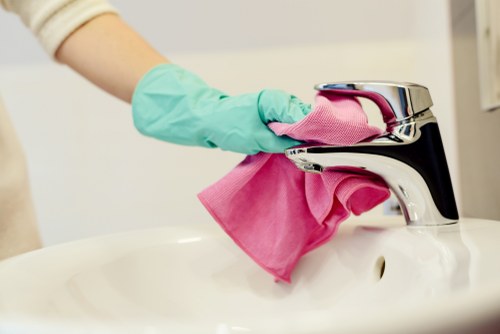
Before starting stain removal, it helps to identify what kind of stain you are dealing with. Different stains react differently to water, enzymes, solvents, and detergents. A smart stain removal plan begins with classification.
Protein-Based Stains
Protein stains include blood, milk, eggs, sweat, and grass in some cases. These stains often respond well to cold water and enzyme-based cleaners. Using hot water too early can make stain removal more difficult because heat can cook the protein into the fibers.
Oil-Based Stains
Grease, butter, salad dressing, makeup, and cooking oil are oil-based stains. These often need a degreasing agent, dish soap, or absorbent powder. In stain removal, oil stains can be tricky because water alone usually repels the residue instead of lifting it.
Dyed and Pigmented Stains
Coffee, tea, wine, fruit juice, and colored sauces can leave pigment behind. Stain removal for these spills often works best with blotting, mild detergents, and targeted treatments like oxygen bleach for washable fabrics.
Combination Stains
Some stains contain more than one component. For example, spaghetti sauce may include oil, tomato pigment, and protein. Combination stain removal often requires a step-by-step approach rather than one single product.
Essential Tools and Supplies for Stain Removal
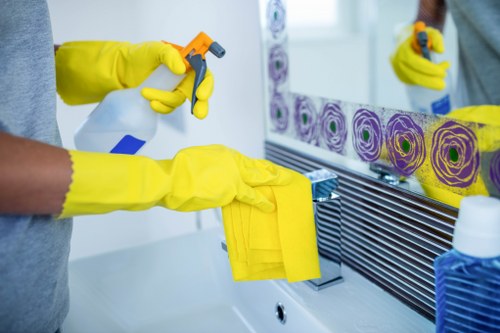
Keeping the right tools on hand makes stain removal faster and more effective. You do not need a huge collection of specialty products. A few basic supplies can handle most everyday spills.
Recommended stain removal essentials include:
- Clean white cloths or paper towels for blotting
- Soft-bristled brush for gentle agitation
- Liquid dish soap for grease and mixed stains
- Laundry detergent for washable fabrics
- Baking soda for odor and absorbency
- White vinegar for some mild stain removal tasks
- Hydrogen peroxide for select light-colored items
- Enzyme cleaner for organic stains and pet messes
- Oxygen bleach for brightening washable fabrics
It is also wise to keep a stain removal kit in your laundry room, kitchen, or utility area. Having supplies within reach encourages immediate action, which is one of the best stain removal habits you can develop. A delayed response often makes the problem worse.
Tip: Test any stain removal product on an inconspicuous area before using it widely. This is especially important on delicate fabrics, dyed upholstery, and natural surfaces like wood or stone.
Stain Removal on Clothing and Laundry
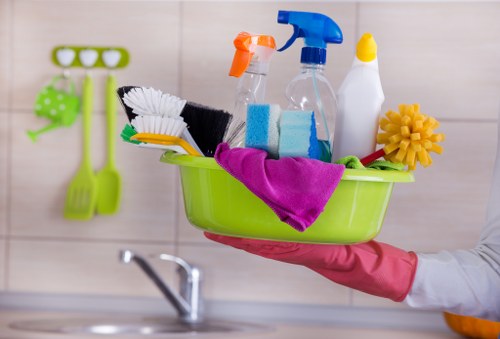
Clothing is one of the most common places where stain removal matters. Shirts, pants, uniforms, and kids’ clothes often collect food spills, sweat marks, ink, and dirt. The good news is that many clothing stains can be removed successfully if you act fast and use the correct method.
Step-by-Step Clothing Stain Removal
- Blot excess material gently without rubbing.
- Rinse the back of the stain with cold water when appropriate.
- Apply a small amount of detergent, dish soap, or stain remover.
- Let it sit for several minutes so the solution can break down the stain.
- Wash according to the fabric label instructions.
- Air-dry first to confirm the stain is gone before using heat.
Air-drying before machine drying is crucial. Heat can permanently set many stains, making stain removal much harder later. If the stain remains after washing, repeat the treatment rather than drying immediately.
Common Laundry Stain Removal Tips
For grease stains, apply dish soap directly and rub gently with fingertips or a soft brush. For ink stains, place a clean cloth under the fabric and dab with rubbing alcohol, then rinse well. For blood stains, use cold water and enzyme detergent. For deodorant marks, a baking soda paste or gentle stain remover can help lift residue.
Delicate Fabrics Need Extra Care
Silk, wool, cashmere, and linen often require gentler stain removal techniques. Harsh scrubbing, bleach, and hot water can damage these fibers. When in doubt, choose mild detergent, cool water, and delicate handling. For expensive or sentimental pieces, professional cleaning may be the safest option.
Stain Removal for Carpet and Upholstery
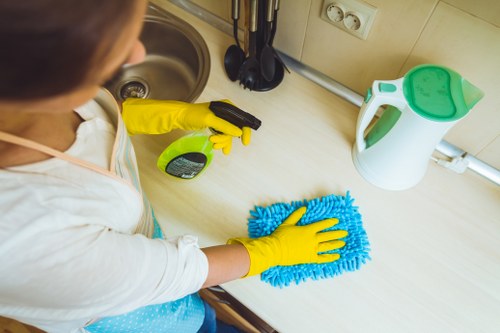
Carpet and upholstery stain removal requires patience because these materials absorb liquid quickly. The goal is to lift the stain without over-wetting the area or spreading the mess deeper into the fibers. Quick action is especially important for drinks, pet accidents, and food spills.
Start by blotting the area with a clean cloth. Avoid scrubbing, which can push the stain deeper and damage the surface texture. A mild cleaning solution, such as dish soap mixed with water, often works for many common spills. For stubborn carpet stain removal, a targeted carpet cleaner or enzyme treatment may be necessary.
Helpful carpet and upholstery stain removal steps:
- Blot first, never rub aggressively
- Use minimal liquid to avoid soaking the padding
- Work from the outside edge inward to prevent spreading
- Rinse lightly when needed and blot dry
- Repeat the process if the stain remains visible
Pet accidents require special attention because they can leave both a stain and an odor. Enzyme cleaners are often the best choice for pet-related stain removal because they break down organic matter rather than simply masking it. For upholstery, always check the care label before applying any cleaning solution.
Stain Removal on Hard Surfaces
Hard surfaces such as tile, countertops, sinks, and sealed floors are easier to clean than fabric, but stain removal still requires care. Coffee on grout, grease on kitchen counters, and hard-water or rust marks on sinks can linger if not addressed properly. Since these surfaces are less absorbent, gentle but consistent cleaning often works best.
For many hard-surface stains, warm water and dish soap are enough to loosen residue. On non-porous surfaces, a paste made from baking soda and water may help lift stuck-on marks. Vinegar can be useful for some mineral and food stains, though it should not be used on every material. Natural stone such as marble or granite may react badly to acidic cleaners, so stain removal should always match the surface.
When dealing with grout or textured areas, a soft brush can improve stain removal by reaching into tiny crevices. Avoid overly abrasive scrub pads on shiny surfaces, as they may leave scratches that attract more dirt later. A regular routine of wiping spills immediately is the easiest way to reduce the need for heavy-duty stain removal on hard surfaces.
How to Handle Common Household Stains
Some stains appear so often that it helps to know the best method in advance. Below are practical approaches for everyday stain removal challenges.
Coffee and Tea Stains
Blot excess liquid, rinse with cool water, and treat with mild detergent or a vinegar solution if appropriate for the surface. For laundry stain removal, repeated treatment may be needed before washing. Coffee stains often respond well to prompt action, but older marks may require oxygen-based cleaning.
Wine Stains
Wine stain removal works best when the spill is fresh. Blot carefully, apply cold water, and use a fabric-safe cleaner. On washable fabrics, an oxygen cleaner can be helpful. On carpets, act quickly and avoid rubbing, which can spread the color.
Grease and Oil Stains
Grease stain removal usually begins with an absorbent step. Sprinkle baking soda or cornstarch on fresh grease, let it sit, then brush away. Follow with dish soap or a degreasing cleaner. This method works on both clothing and some hard surfaces.
Ink Stains
Ink stain removal depends on the surface. Alcohol-based products may lift ink from many fabrics, but testing is important. For upholstery, dab carefully to avoid spreading the dye. For hard surfaces, a mild solvent may work, followed by a normal clean.
Blood Stains
Cold water is the first rule of blood stain removal. Enzyme detergents can help break down the protein. Avoid hot water until the stain is gone, as heat can make the mark permanent.
Makeup Stains
Foundation, lipstick, and mascara often contain oils and pigments. Makeup stain removal frequently requires dish soap, a laundry pre-treater, or a specialized fabric cleaner. Gentle blotting is better than hard scrubbing.
What Not to Do During Stain Removal
Knowing what to avoid is just as important as knowing what to do. Poor stain removal habits can spread the stain, damage the material, or make the stain permanent.
- Do not rub the stain aggressively.
- Do not use hot water on protein stains at the start.
- Do not place stained clothing in the dryer before checking the mark.
- Do not use bleach on materials that can be damaged by it.
- Do not mix chemicals unless the label says it is safe.
- Do not over-saturate carpets and upholstery.
Another common mistake is assuming stronger cleaners always mean better stain removal. In reality, the safest product that gets the job done is often the best choice. A lighter treatment used correctly is usually better than a harsh treatment used carelessly.
Eco-Friendly Stain Removal Options
Many people prefer stain removal methods that are less harsh on fabrics, surfaces, and the environment. Fortunately, several eco-friendly options work well for everyday cleaning. Baking soda, white vinegar, castile soap, and enzyme cleaners can address many common stains without relying on aggressive chemicals.
Eco-friendly stain removal often focuses on prevention and quick treatment. Blotting early, using minimal product, and choosing reusable cloths can reduce waste while improving cleaning efficiency. For homes with children or pets, this approach can feel more practical and less overwhelming.
Benefits of eco-friendly stain removal include:
- Less chemical residue on surfaces
- Reduced odor from harsh cleaners
- Safer use in family spaces
- Lower environmental impact
- Simple ingredients that are easy to store
Stain Removal Tips for Better Long-Term Results
Successful stain removal is not just about fixing one spill. It is about building habits that make future cleaning easier. Creating a consistent routine can help you respond faster and more confidently when accidents happen.
One useful habit is to identify stain-prone areas in your home. Kitchens, dining rooms, laundry zones, and kids’ play areas often need extra attention. Keeping a small cleaning caddy nearby can make stain removal quicker during daily life.
Labeling fabrics and checking care instructions also matters. Different materials respond differently to water, soap, enzymes, and solvents. When you understand the item you are cleaning, stain removal becomes more accurate and less risky. Small, careful actions often create the best results.
A Simple Stain Removal Routine
- Act immediately.
- Identify the stain type.
- Choose the mildest effective cleaner.
- Test in a hidden spot if needed.
- Blot, treat, and rinse properly.
- Check before heat drying or heavy use.
When Professional Help Makes Sense
Sometimes stain removal is best left to a professional cleaner. This is especially true for expensive garments, delicate upholstery, antique rugs, or large stains that have already set. Professionals have access to stronger equipment and more specialized products, which can improve the chances of success.
If a stain has been treated several times with no improvement, further DIY stain removal may cause more harm than good. In those cases, expert care may preserve the item better than repeated home attempts. A good rule is to stop when you are no longer making progress or when the material seems vulnerable.
Professional stain removal may be worth considering when:
- The item is high-value or sentimental
- The fabric is delicate or labeled dry-clean only
- The stain is old, set-in, or unknown
- Home treatments have failed repeatedly
- The surface is large, like wall-to-wall carpet
Conclusion: Make Stain Removal Part of Everyday Care
Stain removal becomes much easier when you understand the stain, act quickly, and use the right method for the material. From clothing and upholstery to carpets and hard surfaces, the same core principles apply: blot first, avoid unnecessary heat, and choose cleaners carefully. By keeping a few basic supplies ready and responding early, you can handle many stains before they become permanent.
Whether you are dealing with a coffee spill on a shirt, grease on a countertop, or a pet accident on the rug, stain removal does not need to feel complicated. A smart, consistent approach can save time and protect the things you use every day. If you want cleaner fabrics, fresher rooms, and less stress when spills happen, contact us today for practical support or book your service now if you need professional help with stubborn stains.